
Most Popular
-
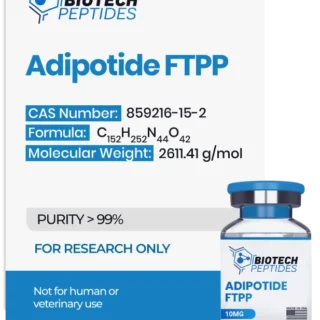 Adipotide FTPP (10mg)
$77.00
-
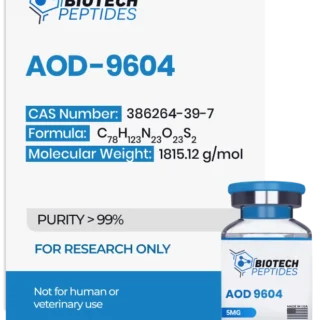 AOD 9604 (5mg)
$44.00
-
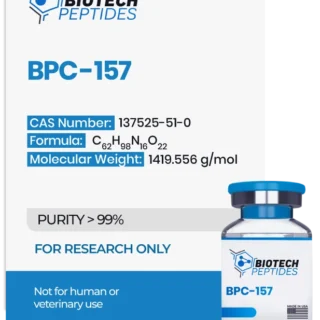 BPC-157 (5mg & 10mg)
Price range: $52.00 through $92.00
-
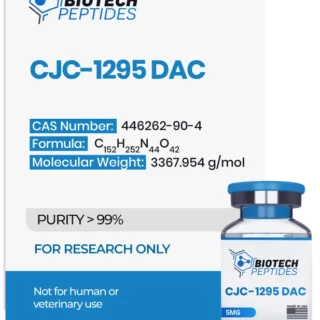 CJC-1295 DAC (5mg)
$52.00
-
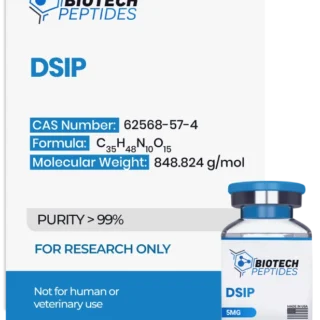 DSIP (5mg)
$44.00

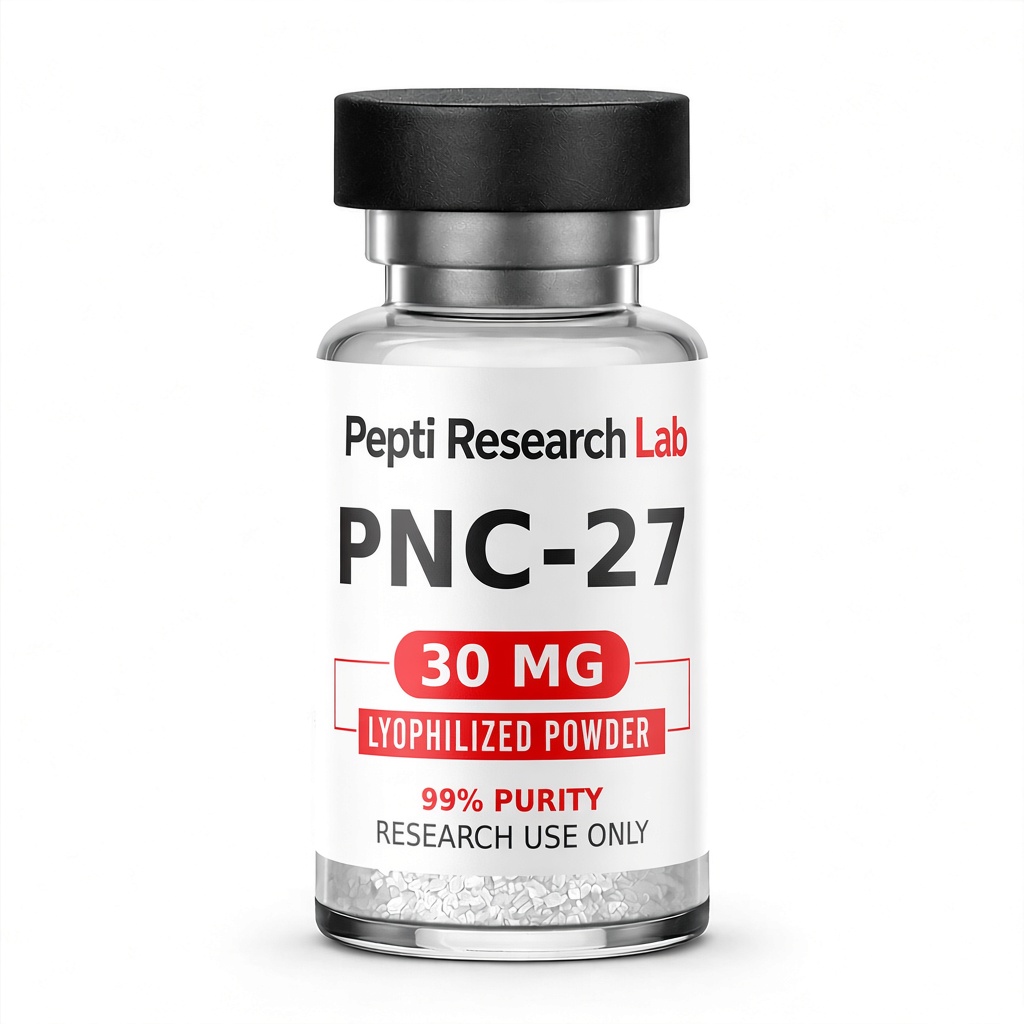
Anti-Cancer Peptide PNC-27 Kills Cancer Cells by Unique Interactions with Plasma Membrane-Bound hdm-2 and with Mitochondrial Membranes Causing Mitochondrial Disruption
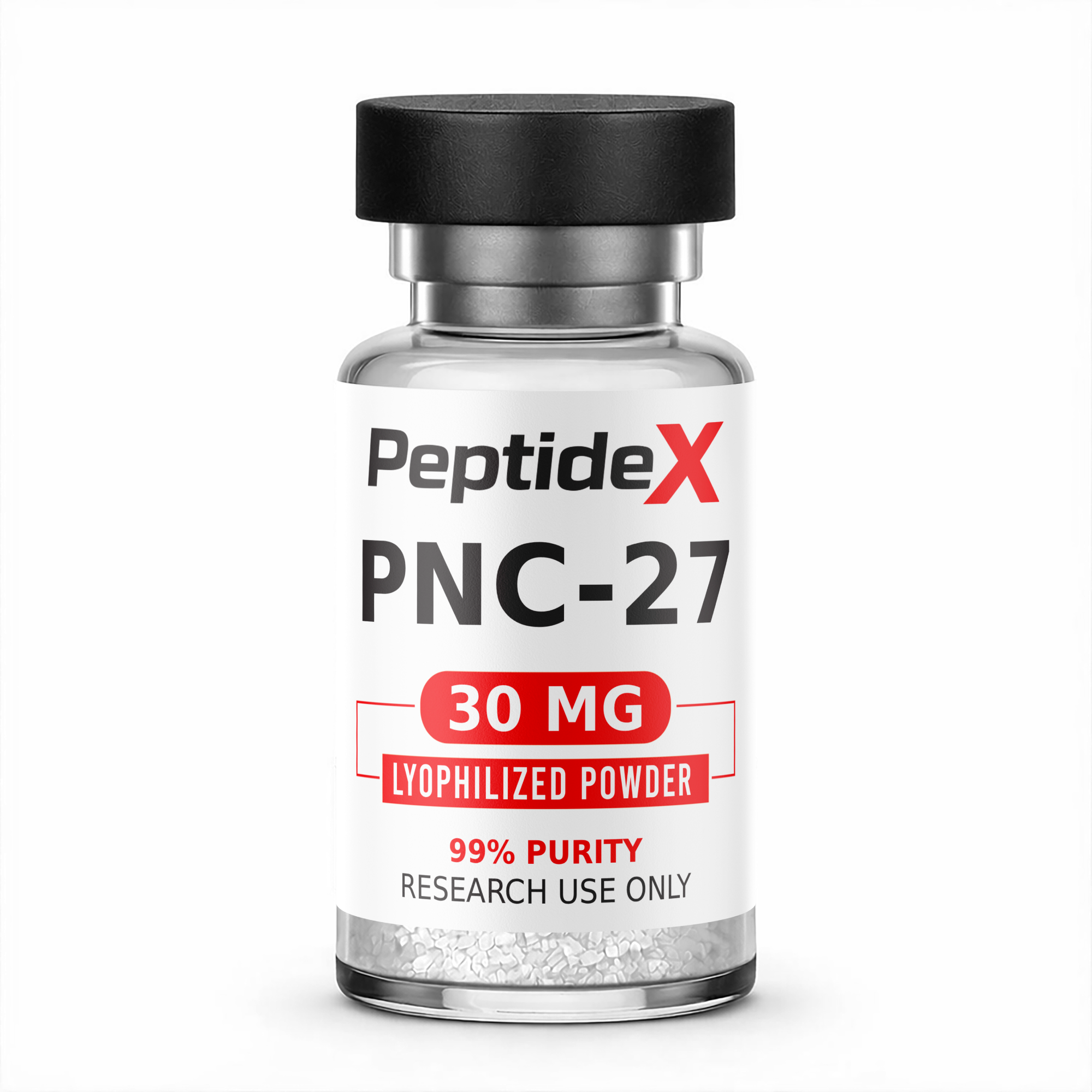
PNC-27 Kills Cancer Cells Objective:
We have previously shown that the anti-cancer peptide PNC-27 kills cancer cells by co-localizing with membrane-expressed HDM-2, resulting in transmembrane pore formation causing extrusion of intracellular contents. We have also observed cancer cell mitochondrial disruption in PNC-27-treated cancer cells.
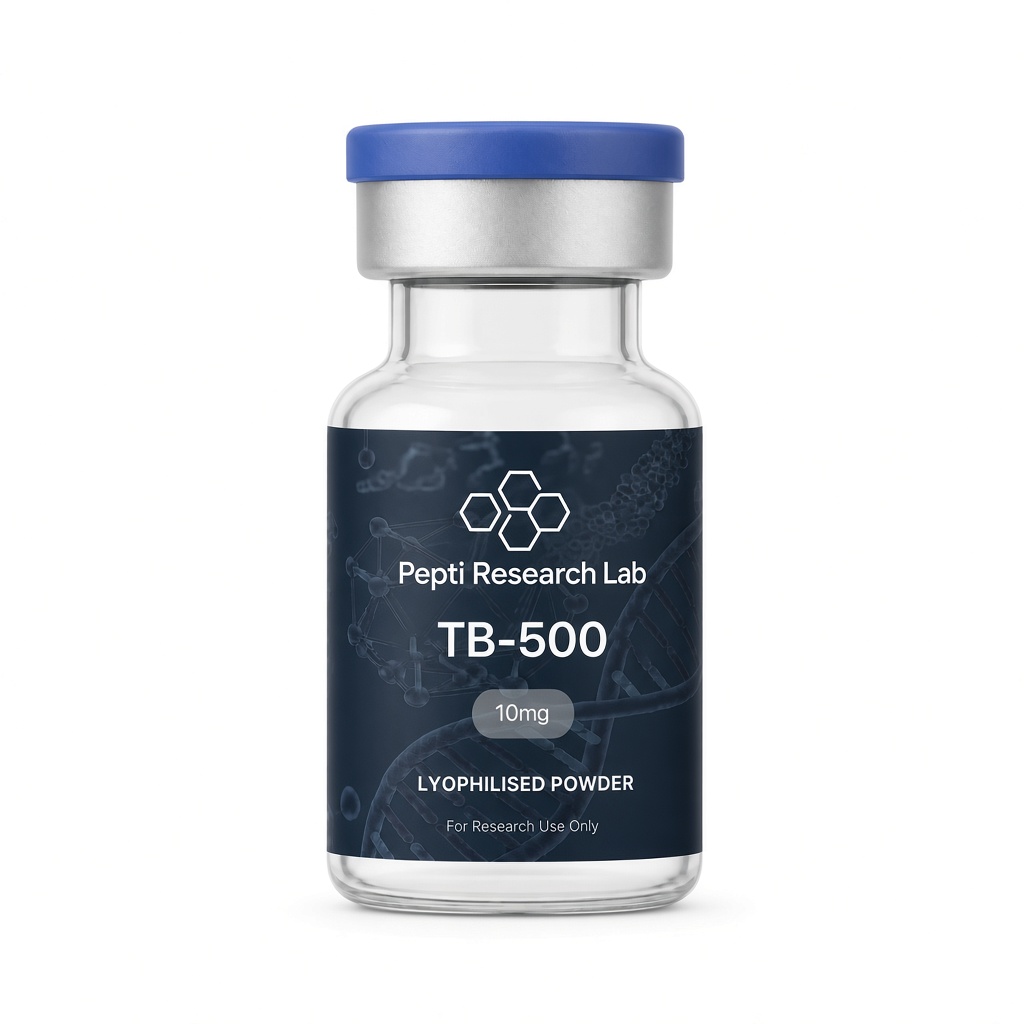
Our objectives are to determine: 1. if PNC-27 binds to the p53 binding site of HDM-2 (residues 1-109) in the cancer cell membrane and 2. if this peptide causes selective disruption of cancer cell mitochondria.TB-500 Benefits and Dosage
Methods that Kills Cancer Cells
For aim 1, we incubated MIA-PaCa-2 human pancreatic carcinoma cells with PNC-27 in the presence of a monoclonal antibody against the amino terminal p53 binding site of HDM-2 to determine if it, but not negative control immune serum, blocks PNC-27-induced tumor cell necrosis.
For the second aim, we incubated these cells with PNC-27 in the presence of two specific dyes that highlight normal organelle function: mitotracker for mitochondria and lysotracker for lysosomes. We also performed immuno-electron microscopy (IEM) with gold-labeled anti-PNC-27 antibody on the mitochondria of these cells treated with PNC-27.
Best Results PNC-27 for Cancer Cells
Monoclonal antibody to the p53 binding site of HDM-2 blocks PNC-27-induced cancer cell necrosis, whereas negative control immune serum does not.
The mitochondria of PNC-27-treated cancer cells fail to retain mitotracker dye while their lysosomes retain lysotracker dye. IEM of the mitochondria cancer cells reveals gold particles present on the mitochondrial membranes.TB-500
Article details
JournalMedical Research Archives
IssueVol 13 No 5 (2025): Vol.13, Issue 5, May 2025
SectionResearch Articles
Published30 May 2025
DOI10.18103/mra.v13i5.6471
ISSN2375-1924
03 · RIGHTS & REUSE
Rights & reuse
This article is published under a Creative Commons Attribution License (CC BY 3.0) and may be shared or distributed by anyone as long as attribution is given to the journal.Axotropin 10 IU
Conclusions: PNC-27 binds to the p53 binding site of HDM-2 (residues 1-109) inducing transmembrane pore formation and cancer cell necrosis. Furthermore, this peptide enters cancer cells and binds to the membranes of mitochondria, resulting in their disruption.

Testimonials

Sabina
Duis aute irure dolor in reprehenderit in voluptate velit esse cillum dolore

Rex
Duis aute irure dolor in reprehenderit in voluptate velit esse cillum dolore
Foodie Blog
About Us

Duis aute irure dolor in reprehenderit in voluptate velit esse cillum dolore eu fugiat nulla pariatur
Know More

Leave a Reply