Get up to 10% off with payment using USDT,BTC,ETH. Coupon Code(BTC1026)
Sale!

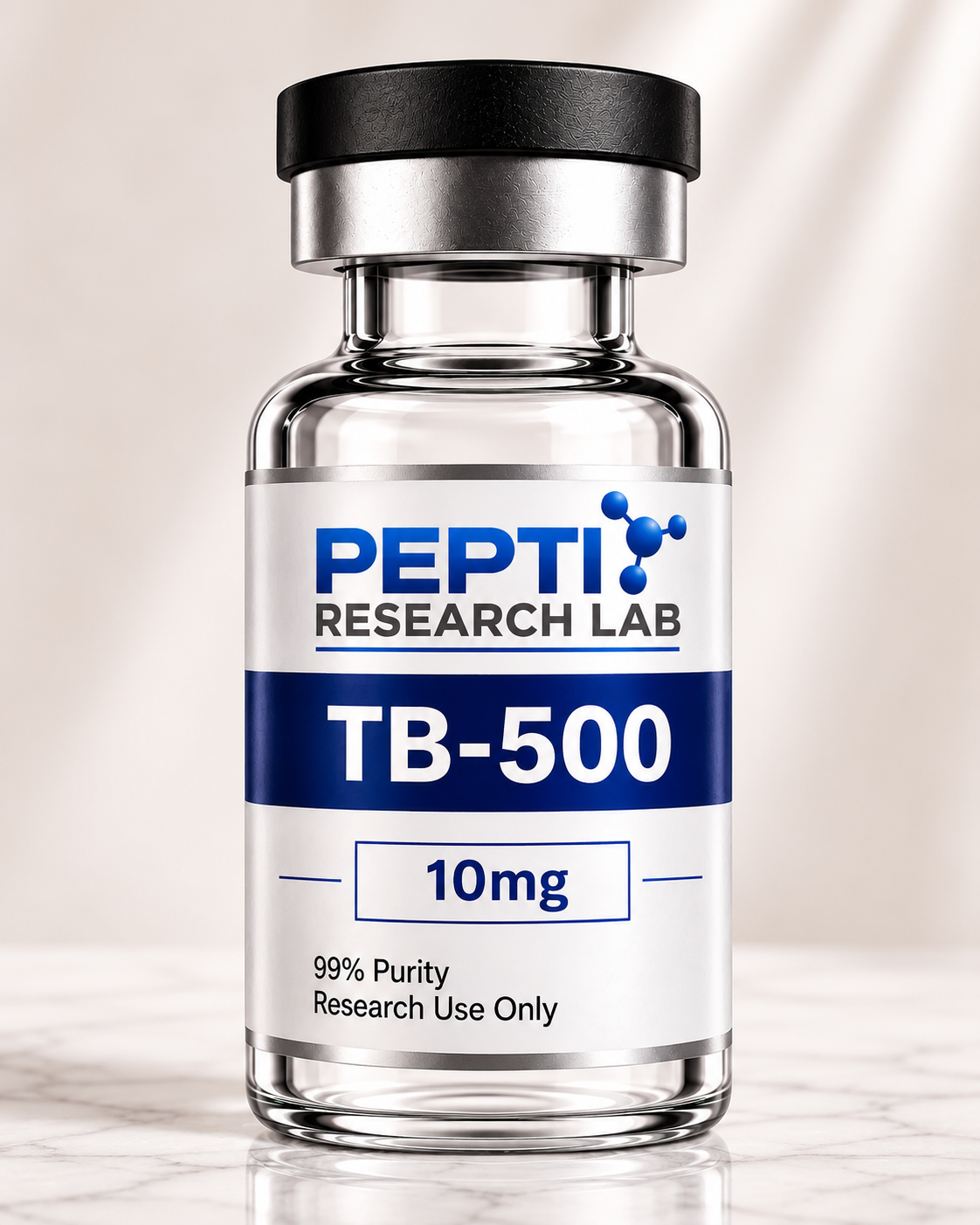
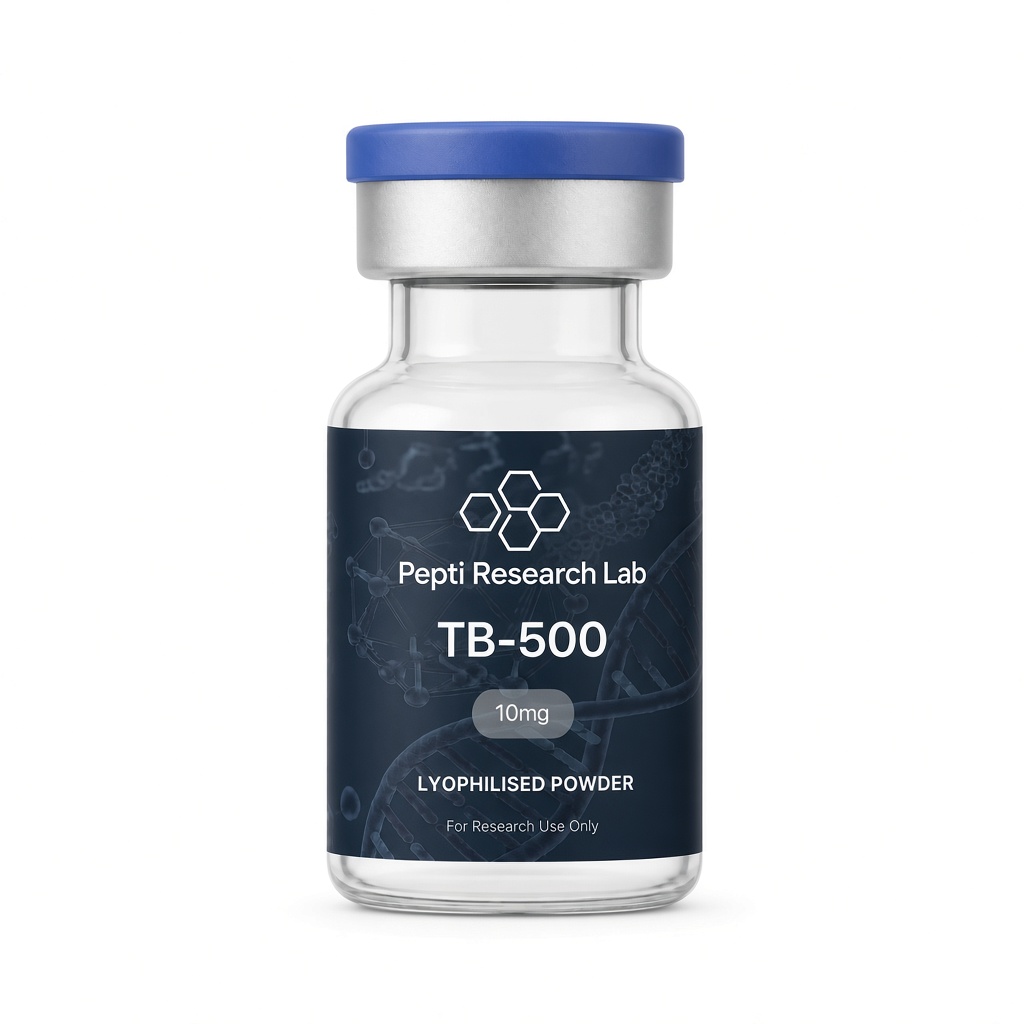
TB-500 10mg

Original price was: $300.00.Current price is: $220.00.

TB-500 Peptide 10mg 10 Packs

This product is intended as a research chemical only. This designation allows the use of research chemicals strictly for in vitro testing and laboratory experimentation only. All product information available on this website is for educational purposes only. Bodily introduction of any kind into humans or animals is strictly forbidden by law. This product should only be handled by licensed, qualified professionals. This product is not a drug, food, or cosmetic and may not be misbranded, misused, or mislabeled as a drug, food, or cosmetic.

TB-500 Peptide 10mg 10 packs: What It Is, Research, Safety and Common Questions

TB-500 Peptide 10mg is a term often used to describe a peptide product associated with research into tissue repair and cell activity. It is linked to thymosin beta-4, a naturally occurring peptide found in the human body.

Scientists have studied thymosin beta-4 for its possible role in cell movement, tissue growth and wound repair. However, TB-500 products are not proven treatments for injuries, muscle recovery or other health conditions.

This guide explains what TB-500 is, what the 10mg label means, what research suggests and what buyers should understand about safety.

What Is TB-500 Peptide 10mg?

TB-500 is the name commonly used for a synthetic peptide related to thymosin beta-4. Thymosin beta-4 is a naturally occurring peptide that plays a role in several cell processes.PNC-27 (5mg)(Opens in a new browser tab)

Researchers have explored its relationship with cell movement, tissue repair and inflammation. Nevertheless, TB-500 products sold online should not be confused with approved medicines or proven treatments.

The term 10mg usually refers to the amount stated on a product label. It does not confirm the product’s purity, identity, quality, sterility or safety.

What Does TB-500 Stand For?

TB-500 is commonly associated with thymosin beta-4 research. However, commercial products marketed under this name may not have the same structure or formulation as full-length thymosin beta-4.

Therefore, the exact identity of a product should be confirmed through reliable manufacturer and regulatory information.

What Does 10mg Mean on a TB-500 Label?

A 10mg label indicates the amount claimed by the manufacturer or seller. It does not prove that the container actually contains that amount.

In addition, product labels may not provide enough information about manufacturing standards or ingredient quality. Always treat unverified product claims with caution.

How Does TB-500 Relate to Thymosin Beta-4?

Thymosin beta-4 is a peptide made naturally by the body. Scientists study it because it interacts with actin, a protein involved in cell structure and movement.

TB-500 is commonly marketed as a related peptide. However, the terms are not always used with scientific accuracy.

Understanding Actin and Cell Movement

Actin helps cells maintain their shape and move. It also supports several processes involved in tissue growth and repair.

Thymosin beta-4 can interact with actin. As a result, researchers have studied its possible role in cell movement and wound-related processes.

Why the Difference Matters

A product marketed as TB-500 should not automatically be treated as identical to full-length thymosin beta-4.

Furthermore, findings from studies of thymosin beta-4 cannot automatically prove that a commercial TB-500 product has the same effects.

What Is Known So Far?

Laboratory and animal research has explored several biological actions of thymosin beta-4. However, evidence for TB-500 as a treatment in humans remains limited.

Consequently, claims about reliable injury recovery or other health benefits are not established.

What Is TB-500 Peptide Being Researched For?

TB-500 and related thymosin beta-4 research often focuses on cell activity and tissue repair. These topics are scientifically interesting, but they do not establish that commercial products are effective treatments.

1. Tissue Repair Research

Researchers have studied thymosin beta-4 in connection with cell movement and wound-related processes.

These studies may help scientists understand how tissues respond to damage. However, they do not prove that TB-500 products speed up recovery in people.

2. Muscle and Tendon Research

Some experimental research has explored how thymosin beta-4 may affect cells involved in tissue growth.

Nevertheless, there is no established clinical evidence that TB-500 treats muscle injuries, tendon problems or ligament damage.

3. Inflammation Research

Scientists have also examined possible links between thymosin beta-4 and inflammatory processes.

However, laboratory findings do not prove that TB-500 can safely reduce inflammation in humans.

4. Wound Healing Research

Thymosin beta-4 has been studied in laboratory and clinical research involving wound-related processes.

Even so, evidence from studies of specific thymosin beta-4 formulations cannot be used to claim that every TB-500 product has the same effects.

5. Cell Growth and Movement Research

Cell movement is important in many normal body processes. Researchers are studying how thymosin beta-4 interacts with these activities.

Therefore, this area remains a subject of scientific interest rather than a proven reason to use an unapproved peptide product.

What Does Scientific Research Say About TB-500?

Research into thymosin beta-4 has examined several biological processes. However, research on the specific products marketed as TB-500 is much more limited.

The US Food and Drug Administration has reported that it has not identified clinical studies or human exposure data establishing the safety of TB-500. It has also raised concerns about possible immune reactions and other product-related risks.

As a result, there is not enough evidence to confirm its safety or effectiveness for human treatment.What is the MOTS-c peptide?(Opens in a new browser tab)

Laboratory and Animal Studies

Laboratory and animal studies can help researchers understand how a substance behaves. They can also identify questions that need further study.

However, these studies cannot establish a safe or effective treatment for people.

Human Research and Clinical Evidence

Reliable human evidence for TB-500 remains insufficient. In particular, there is no established clinical treatment protocol for injury recovery using commercial TB-500 products.

Therefore, claims about its effectiveness should be viewed with caution.

Is TB-500 Peptide 10mg Safe?

The safety of TB-500 products has not been established for human use. Important information about their long-term effects, product quality and possible reactions remains unknown.

Furthermore, products sold through unverified online sources may not contain the ingredients or amounts stated on their labels.

Potential Safety Concerns

Unapproved peptide products can raise several concerns, including:

  • Incorrect or misleading ingredient labels.
  • Unverified strength or purity.
  • Contamination during production.
  • Lack of reliable sterility information.
  • Unknown immune reactions.
  • Possible interactions with medicines or other substances.

The risks may vary between products and manufacturers. Consequently, a product label alone cannot prove safety.

Why Product Quality Is Important

A product advertised as TB-500 Peptide 10mg may not contain the stated amount or even the stated substance.

For example, Australian TGA testing published on 5 November 2026 found that some tested Synedica peptide products labelled as containing TB-500 had no detectable TB-500. This finding concerned the specific products tested, but it highlights the risks of relying on unverified labels.

Should You Use TB-500?

TB-500 is not an established treatment for injury recovery, muscle growth or general health. Do not use an unapproved peptide product for self-treatment.

Instead, speak with a qualified healthcare professional about injuries, recovery concerns or other health needs.

Is TB-500 Approved in Australia?

TB-500 is not approved by the Australian Therapeutic Goods Administration (TGA) for human use. The TGA identifies TB-500 among unapproved peptide products.

In Australia, therapeutic goods generally need to be included in the Australian Register of Therapeutic Goods (ARTG) before they can be imported, supplied or advertised, unless a specific exemption, approval or authority applies.

What Should Australian Consumers Know?

The TGA warns that unapproved peptide products have not been assessed for safety, quality or effectiveness.

Therefore, consumers should not assume that a product sold online is approved, correctly labelled or suitable for human use.

Can TB-500 Be Bought as a Research Product?

A seller’s use of terms such as “research use” or “not for human consumption” does not automatically make a product lawful to import, supply or advertise.

The legal requirements depend on the product and the activity involved. Businesses and consumers should check current TGA guidance before making decisions.

Is TB-500 Allowed in Competitive Sports?

TB-500 is prohibited under anti-doping rules. The World Anti-Doping Agency lists TB-500 under growth factors and growth factor modulators.

It is prohibited at all times, both in and out of competition.Beligas Hypho® Viagra 50mg(Opens in a new browser tab)

Why Does This Matter for Athletes?

Athletes may face anti-doping consequences if they use prohibited substances. Therefore, competitors should check the current rules that apply to their sport.

For additional guidance, consult the relevant national anti-doping organisation or sports integrity authority.

TB-500 Peptide 10mg Compared With Other Peptides

TB-500 is often discussed alongside other research peptides. However, these substances have different structures and research backgrounds.

TB-500 vs BPC-157

TB-500 is associated with thymosin beta-4 research. BPC-157 is a different synthetic peptide studied mainly in laboratory and animal research.

Both appear in online discussions about tissue repair. Nevertheless, neither should be treated as a proven treatment for injuries.

TB-500 vs Thymosin Beta-4

Thymosin beta-4 is a naturally occurring peptide made by the human body. TB-500 is a name used for a related synthetic peptide or peptide fragment in commercial settings.

These terms are sometimes used interchangeably online. However, their exact structures and evidence should be checked rather than assumed to be identical.

TB-500 vs Other Experimental Peptides

Other experimental peptides may be studied for metabolism, cell signalling or different biological processes.

Although they may appear in the same online product category, their effects and risks are not interchangeable.

Frequently Asked Questions About TB-500 Peptide 10mg

1. What is TB-500 Peptide 10mg?

TB-500 Peptide 10mg is a product description commonly associated with a synthetic peptide related to thymosin beta-4. The 10mg figure refers to the amount claimed on the product label.

2. Is TB-500 the same as thymosin beta-4?

Not necessarily. TB-500 is commonly marketed as a related peptide or fragment, while thymosin beta-4 is a naturally occurring peptide. Their exact structures should not be assumed to be identical.

3. What is TB-500 being researched for?

Research has explored thymosin beta-4 and related peptides in areas such as cell movement, tissue repair and inflammation. However, these findings do not establish TB-500 as a treatment.

4. Does TB-500 help with muscle recovery?

There is not enough reliable human evidence to show that TB-500 improves muscle recovery. Claims about faster recovery remain unproven.

5. Is TB-500 used in injury research?

Yes. Thymosin beta-4 has been studied in laboratory and animal research involving tissue-related processes. However, this does not prove that commercial TB-500 products treat injuries in people.

6. Is TB-500 a natural peptide?

TB-500 is generally described as a synthetic peptide related to thymosin beta-4. Thymosin beta-4 itself occurs naturally in the human body.

7. What does 10mg mean on a TB-500 product?

It is the amount stated on the product label. However, the label does not independently confirm the product’s contents, purity or quality.

8. Is TB-500 approved by the TGA?

No. TB-500 is identified by the TGA as an unapproved peptide product. Consumers should check current Australian regulatory guidance before considering any product.TB-500 Benefits and Dosage(Opens in a new browser tab)

9. Is TB-500 prohibited in sport?

Yes. TB-500 is listed under the World Anti-Doping Agency’s prohibited category for growth factors and growth factor modulators. It is prohibited at all times.

10. Are the long-term effects of TB-500 known?

No. There is not enough reliable human research to establish its long-term safety or effects.

11. Can a product label confirm TB-500 purity?

No. A label alone cannot prove identity, purity, strength or sterility. Independent and reliable quality information would be needed to support such claims.

12. Is TB-500 a proven medical treatment?

No. TB-500 is not an established treatment for injuries, muscle growth or other health conditions. More reliable human research would be needed to establish its safety and effectiveness.

Final Thoughts on TB-500 Peptide 10mg

TB-500 Peptide 10mg is a term linked to research into thymosin beta-4 and its possible role in cell movement and tissue-related processes.

Although early research has attracted interest, the evidence does not establish TB-500 as a safe or effective treatment for injury recovery, muscle growth or general health.

Most importantly, its human safety and long-term effects remain uncertain. Anyone researching TB-500 should understand the scientific limits, product quality concerns and current regulatory rules before drawing conclusions. Buy Steroids Near Me Australia

TB-500 Peptide 10mg

For Research Use Only. Not for human or veterinary use.

TB-500 is a synthetic peptide commonly associated with thymosin beta-4 research. Thymosin beta-4 is an endogenous peptide found in mammalian tissues and is studied for its role in actin binding, cell migration, tissue repair, and wound-healing pathways.

Mechanism of Action

Research suggests thymosin beta-4-related peptides may influence actin sequestration, cellular migration, angiogenesis, and tissue repair signaling. Experimental studies have investigated thymosin beta-4 in dermal, corneal, cardiac, endothelial, and neuronal repair models.TB-500(Opens in a new browser tab)

Research Applications

Studies have explored TB-500/thymosin beta-4-related peptides in several areas of experimental research:

  • Wound Healing Research
  • Cell Migration Studies
  • Angiogenesis Research
  • Soft Tissue Repair Models
  • Cardiac and Endothelial Function Research
  • Neurorepair Research

Chemical Information

  • Common Research Fragment: Ac-LKKTETQ
  • Parent Peptide: Thymosin Beta-4
  • Classification: Synthetic Thymosin Beta-4 Related Research Peptide

Reviews

There are no reviews yet.

Be the first to review “TB-500 10mg”

Your email address will not be published. Required fields are marked *

Your Cart

Your Cart

Your Cart is Empty

Start Shopping
Continue Shopping
Payment Details
Sub Total $0.00