Most Popular
-
 Eurotropin HGH 100IU
$723.00
-
 Kalpatropin 20 IU
$670.00
-
 Eurotropin HGH 100IU
$596.00
-
 HGH Somatropin 100 IU- Liquid
$586.00
-
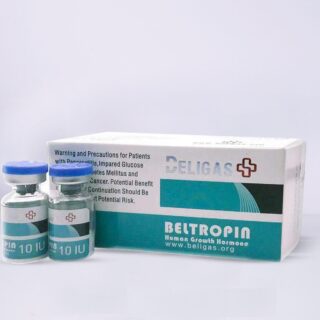 Beligas Human Growth Hormones 10iu
$519.00

What Is the MOTS-c Peptide? Benefits, Research, Safety and Common Questions
MOTS-c is a small peptide that scientists study for its possible role in energy use, metabolism and healthy ageing. It comes from genetic material inside the mitochondria, which are often called the energy centres of cells.
Interest in the MOTS-c peptide has grown because early studies suggest it may affect how the body manages energy. However, researchers still need more human studies to understand its effects.TB-500 Benefits and Dosage(Opens in a new browser tab)
This guide explains what MOTS-c is, how it may work, what research has found and what remains unknown.
What Is the MOTS-c Peptide?
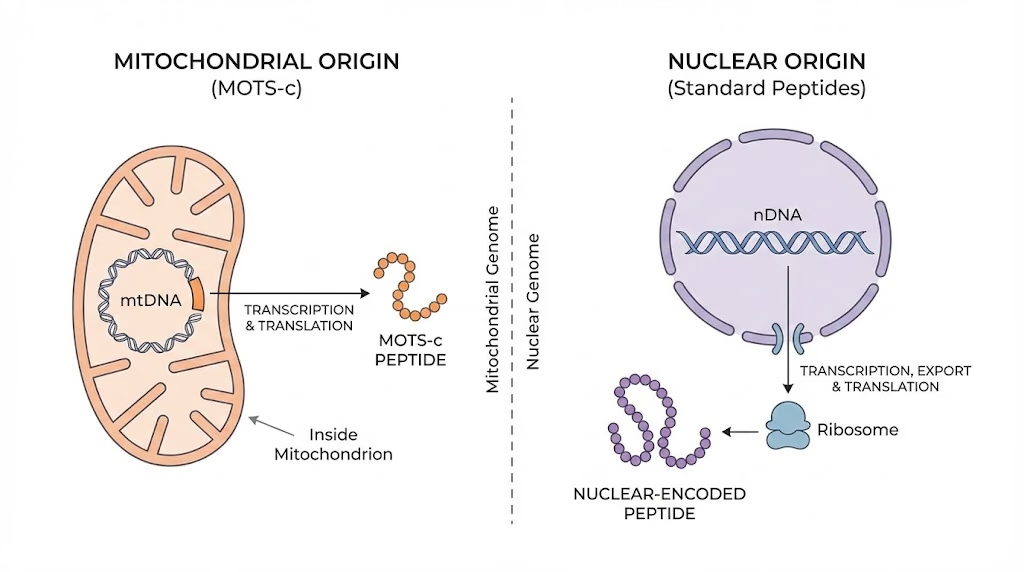
MOTS-c stands for Mitochondrial Open Reading Frame of the 12S rRNA-c. It is a short peptide made from a small section of mitochondrial genetic material.
Unlike many peptides encoded by nuclear DNA, MOTS-c comes from the mitochondrial genome. Mitochondria help cells produce energy. They also play a role in several important cell processes.
Scientists study MOTS-c because it may help cells respond to stress and manage energy. In particular, research has explored its link to metabolism and insulin sensitivity.PNC-27 (5mg)(Opens in a new browser tab)
How Is MOTS-c Different From Other Peptides?
Many peptides come from genes in the cell nucleus. However, MOTS-c comes from a small coding region in mitochondrial DNA.
This makes it part of a group known as mitochondrial-derived peptides. Other members of this group include Humanin and the SHLP family.
Why Are Researchers Studying MOTS-c?
Researchers are interested in how MOTS-c may affect several areas of health and cell function.
These areas include:
- Cellular energy balance.
- Glucose and metabolic control.
- Insulin sensitivity.
- The body’s response to physical stress.
- Muscle function and exercise research.
- Age-related changes in cell function.
However, these are research topics, not proven health benefits in people.
How Does the MOTS-c Peptide Work?
Early research suggests that MOTS-c may influence how cells manage energy. One pathway receiving attention is the AMPK pathway.
AMPK is a protein that helps cells respond when energy levels change. It acts like an energy sensor and helps control several metabolic processes.PNC-27(Opens in a new browser tab)
MOTS-c and the AMPK Pathway
Studies in laboratory and animal models suggest that MOTS-c may activate AMPK-related processes. As a result, researchers are examining its possible role in glucose use and energy balance.
In addition, scientists have studied how MOTS-c may affect the way cells respond to stress.
MOTS-c and Mitochondrial Activity
Mitochondria do more than produce energy. They also help control signals that affect cell health and function.
MOTS-c may act as a signal between mitochondria and other parts of the cell. Therefore, researchers are studying whether it helps cells adapt to changes in energy demand.
What Does This Mean for Human Health?
The findings are scientifically interesting. Nevertheless, results from cells and animals do not prove that MOTS-c improves human health.
Researchers must complete well-designed human trials before they can confirm its effects, safety and possible medical uses.
Potential Benefits of MOTS-c: What Does Research Suggest?
Online discussions often connect MOTS-c with metabolism, exercise, weight control and ageing. However, it is important to separate early scientific findings from claims that have not been proven.
1. Metabolic Health Research
Scientists have studied whether MOTS-c can influence how cells use glucose and manage energy.
Some animal studies have reported changes in metabolic markers. However, these findings do not establish that MOTS-c treats metabolic conditions in people.Beligas Hypho® Viagra 50mg(Opens in a new browser tab)
2. Insulin Sensitivity Research
Insulin helps move glucose from the blood into cells. Researchers have explored whether MOTS-c affects insulin sensitivity in laboratory and animal studies.
Although early findings have attracted interest, human evidence remains insufficient to confirm a benefit.
3. Exercise and Physical Performance Research
Some research has linked MOTS-c with exercise-related changes in muscle and energy pathways.
For example, scientists have examined its possible role in physical stress responses and muscle function. Even so, there is no established evidence that using MOTS-c improves athletic performance in people.
4. Ageing and Cellular Health Research
MOTS-c has also attracted attention in ageing research. Some studies have explored changes in its levels and possible links with age-related physical decline.
However, this does not mean MOTS-c is an established anti-ageing treatment. More research is needed to understand its role in human ageing.Ultima-Viagra 100mg(Opens in a new browser tab)
5. Energy Balance Research
Because MOTS-c may interact with energy-related pathways, scientists are studying its possible effects on cellular energy balance.
Nevertheless, claims that it boosts energy or improves overall health in people remain unproven.
What Does Scientific Research Say About MOTS-c?
Research into MOTS-c is still developing. Much of the published work focuses on laboratory experiments and animal models.
A 2023 scientific review examined MOTS-c and its possible links to metabolism, stress responses and ageing. It discussed the AMPK pathway and other processes that may help explain how the peptide works.
However, a scientific review of early studies does not prove that a treatment works in humans.
What Have Animal Studies Found?
Animal research has explored possible changes in glucose control, insulin sensitivity and physical function.
These findings can help scientists plan future research. However, animal results cannot predict human safety or effectiveness with certainty.
Are There Human Clinical Trials?
Human evidence remains a major gap. In a 2026 briefing document, the US Food and Drug Administration highlighted the lack of human data and clinical safety information for MOTS-c-related substances.
Therefore, its effects in people remain unclear. Researchers still need suitable clinical studies to assess its safety and possible medical value.
Is MOTS-c Safe?
The safety of MOTS-c in humans has not been established. There is not enough reliable clinical evidence to define safe conditions for its use.
In addition, an online product label cannot confirm the quality, purity or contents of a peptide product.
Possible Safety Concerns
Unapproved peptide products may carry risks linked to their ingredients, manufacturing and handling.
These concerns can include:
- Incorrect or unclear product labelling.
- Contamination or poor product quality.
- Unknown effects in the human body.
- Unexpected reactions or interactions.
- Infection risks from products supplied for injection.
Furthermore, the long-term effects of MOTS-c in humans remain unknown.
Why Product Quality Matters
A product advertised as MOTS-c may not contain the stated ingredient or amount. It may also contain unwanted substances.
For this reason, a professional-looking label or online seller claim is not proof of quality or safety.
Should You Use MOTS-c?
MOTS-c is an experimental peptide, not an established treatment for weight loss, muscle growth, ageing or metabolic conditions.
Do not use unapproved peptide products for self-treatment. Instead, speak with a qualified healthcare professional about any health goals or concerns.
Is MOTS-c Approved for Medical Use?
MOTS-c is not an established, approved treatment for general medical use. Its research status means that claims about its benefits should be treated with care.
MOTS-c and Australian Regulations
In Australia, the Therapeutic Goods Administration (TGA) regulates therapeutic goods. Products that fall under these rules generally need to be included in the Australian Register of Therapeutic Goods (ARTG) before they can be supplied or advertised, unless a specific exemption or authority applies.
The TGA warns that unapproved peptide products may not have been assessed for safety, quality or effectiveness. Therefore, consumers should not assume that a peptide sold online is approved or safe.
MOTS-c and Competitive Sport
MOTS-c is listed as a prohibited substance under the World Anti-Doping Agency’s rules. It is prohibited at all times, both in and out of competition.
Consequently, athletes should check the current anti-doping rules and seek advice from their sports integrity organisation before considering any substance.
MOTS-c Compared With Other Mitochondrial-Derived Peptides
MOTS-c belongs to a wider group of peptides linked to mitochondrial genetic material. Researchers study these peptides to understand how mitochondria may send signals that affect cell function.
MOTS-c vs Humanin
MOTS-c and Humanin are both mitochondrial-derived peptides. However, they are different peptides with different sequences and areas of research.
Scientists study Humanin for its possible links to cell stress and survival. Meanwhile, MOTS-c research often focuses on metabolism and energy balance. Buy OZ Steroid Australia
MOTS-c vs SHLP Peptides
SHLPs are another group of small humanin-like peptides linked to mitochondrial DNA. Researchers are studying their possible roles in cell function and metabolism.
Although these peptides share a mitochondrial origin, they should not be treated as interchangeable.
Why Are These Differences Important?
Each peptide has its own structure and biological activity. Therefore, findings about one mitochondrial-derived peptide do not automatically apply to another.
Frequently Asked Questions About the MOTS-c Peptide
1. What is MOTS-c in simple terms?
MOTS-c is a small peptide made from mitochondrial genetic material. Scientists study it because it may help regulate energy use and cell responses to stress.
2. Where does MOTS-c come from?
MOTS-c comes from a small coding region in mitochondrial DNA. Mitochondria are structures inside cells that help produce energy and control other cell processes.
3. What does MOTS-c do in the body?
Research suggests that MOTS-c may affect energy-related pathways and metabolic processes. However, its exact role in human health is not yet clear.
4. Is MOTS-c a natural peptide?
Yes. The body can produce MOTS-c from mitochondrial genetic material. However, this does not prove that manufactured or externally supplied MOTS-c products are safe.
5. Does MOTS-c help with weight loss?
There is not enough human evidence to show that MOTS-c causes weight loss. Claims about its use for fat loss remain unproven.
6. Does MOTS-c improve muscle growth?
MOTS-c is being studied for possible links to muscle function and exercise responses. However, there is no established clinical evidence that it improves muscle growth in people.
7. Is MOTS-c an anti-ageing peptide?
Researchers are exploring possible links between MOTS-c and age-related changes. Nevertheless, it has not been proven to slow ageing or extend human lifespan.
8. Has MOTS-c been tested in humans?
Human evidence is limited, and important clinical safety information is missing. Therefore, its effects and risks in people have not been established.
9. Is MOTS-c approved in Australia?
Do not assume that MOTS-c products are approved for medical use in Australia. Check the ARTG and current TGA guidance for the exact product and its regulatory status.
10. Is MOTS-c allowed in professional sport?
No. MOTS-c is prohibited under the World Anti-Doping Agency’s prohibited list at all times.
11. Is MOTS-c the same as Humanin?
No. Both are mitochondrial-derived peptides, but they have different structures and research profiles.
12. What should people know before considering MOTS-c?
People should understand that MOTS-c remains experimental. Its human safety, long-term effects and possible medical benefits have not been established. A qualified healthcare professional can help explain the risks and available evidence.
Final Thoughts: What Is the MOTS-c Peptide?
MOTS-c is a mitochondrial-derived peptide that has gained scientific interest because of its possible role in energy balance, metabolism and cellular stress responses.
Early laboratory and animal studies provide useful research findings. However, these results do not prove that MOTS-c offers health benefits in people.
Most importantly, its safety and effectiveness remain uncertain. MOTS-c should therefore be viewed as an experimental research topic, not a proven treatment or established health supplement.
As research continues, well-designed human studies will be important for understanding what this peptide can and cannot do.

Testimonials

Sabina
Duis aute irure dolor in reprehenderit in voluptate velit esse cillum dolore

Rex
Duis aute irure dolor in reprehenderit in voluptate velit esse cillum dolore
About Us

Duis aute irure dolor in reprehenderit in voluptate velit esse cillum dolore eu fugiat nulla pariatur
Know More

Leave a Reply